

NetSuite is the default answer when an Australian technology company outgrows Xero or MYOB. It has been the default for twenty years, it has an enormous partner network, and no CFO has been criticised for choosing it.
It is also, for a lot of high-growth software companies, more system than they need and more project than they expected. This is not an argument that NetSuite is bad — it is genuinely capable, and for some businesses it remains the right answer. It is an argument for evaluating it honestly against what has emerged since.
Breadth. NetSuite covers financials, inventory, order management, procurement, projects, CRM and commerce in one platform. If you are a business that needs most of that — particularly if you hold physical inventory or run complex supply chains — the integrated footprint is real value.
Maturity. It handles multi-entity, multi-currency, multi-subsidiary consolidation and has done so for a long time. Auditors know it. Accountants can be hired who know it.
Extensibility. SuiteScript lets you customise almost anything, which is genuinely powerful for businesses with unusual processes.
The licence is the part everyone budgets for. The parts that surprise people:
Implementation. NetSuite implementations are typically measured in months, not weeks, and usually require a certified partner. The professional services cost frequently exceeds the first year of licensing.
Customisation debt. That extensibility is a double-edged asset. Companies that customise heavily during implementation inherit a maintenance burden — scripts to re-test at every release, a configuration only the original partner fully understands, and upgrade cycles that require regression testing.
Ongoing dependency. Many NetSuite customers never fully take ownership of their instance. Small changes go back to the partner. That is a recurring cost line and a speed constraint.
The ANZ gap. NetSuite is a global product with Australian localisation, not an Australian product. GST and BAS handling generally works but often needs configuration, and support is rarely in your timezone unless you pay for it.
Two things.
First, the functional gap narrowed. Native multi-entity consolidation, multi-currency with proper translation treatment, automated intercompany elimination and revenue recognition under AASB 15 or ASC 606 used to be the exclusive preserve of large ERPs. They are now available in products built specifically for software companies, without the inventory and manufacturing modules those companies will never use.
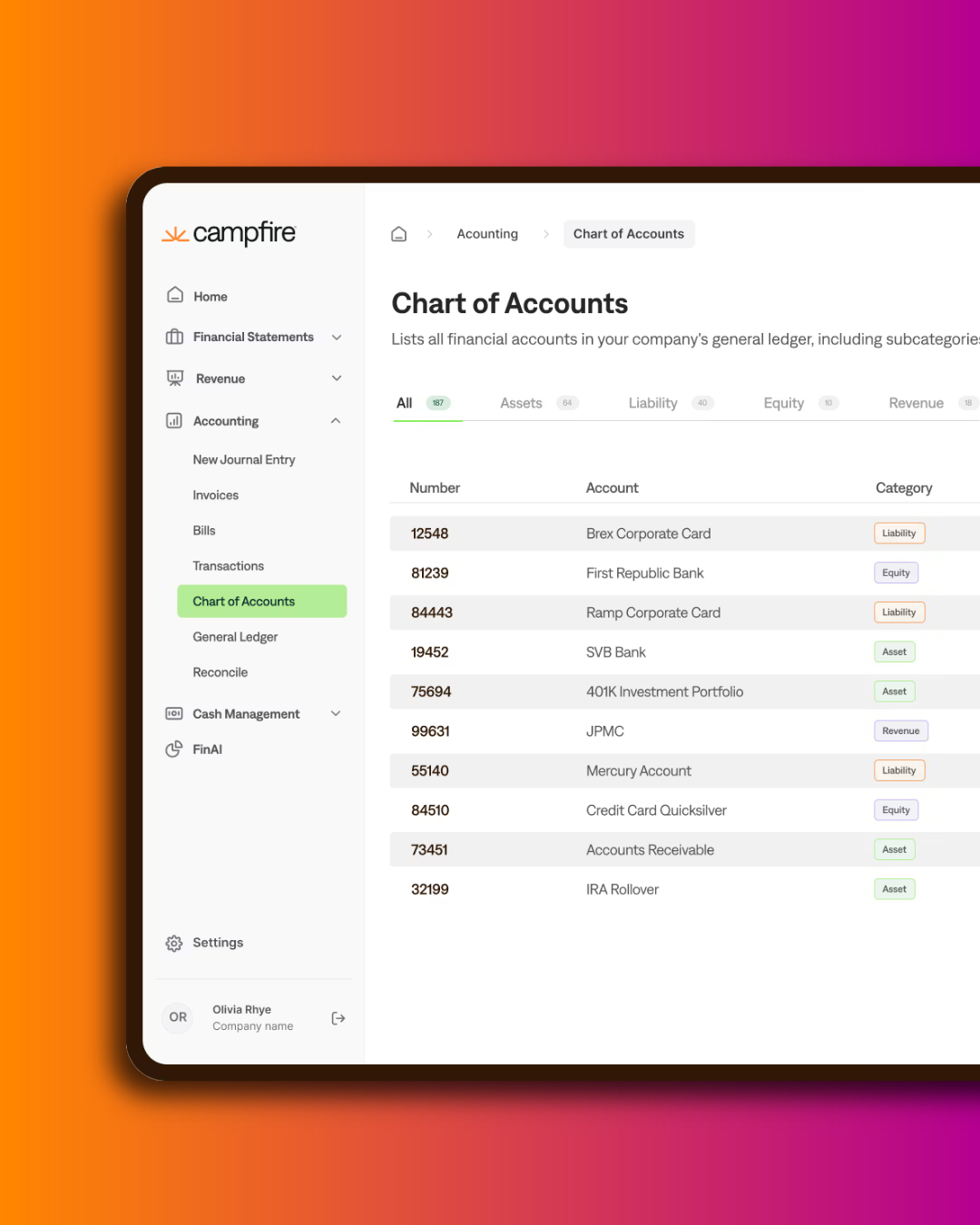
Second, AI moved from marketing to mechanism. Reconciliation matching, anomaly detection, flux commentary and journal drafting are now things a system does rather than things a person does. Ember AI is Campfire's implementation of that idea, built on a model trained specifically on accounting data.
Most ERP evaluations go wrong by comparing feature lists. Feature lists all look the same. Better questions:
If you hold inventory, run manufacturing, or need deep supply chain functionality, NetSuite is a reasonable default and we would not argue with it.
If you are a software or services business whose complexity is concentrated in revenue recognition, multi-entity consolidation and reporting depth — and whose finance team is small and time-poor — then a platform purpose-built for that shape of business is worth serious evaluation. That is the case we make for Campfire, and we are happy to make it with the trade-offs on the table.
We implement Campfire for ANZ finance teams. If you are running this comparison now, we are glad to be a sounding board — including if the conclusion is that you should stay where you are. You can also read more about how we approach implementation.