Most close checklists you find online were written for a single-entity business selling goods. They miss the parts that actually consume time in an Australian software company: revenue schedules, intercompany, FX and GST.
This is the sequence we use. The order matters more than the content — doing these out of sequence is why closes get re-run.
Before period end
Work done in the last week of the month removes days from the first week of the next one.
- Confirm the close calendar and owners. Every task has a named person and a due day.
- Chase outstanding supplier invoices so accruals are estimates of exception, not of routine.
- Review open purchase orders and commitments.
- Confirm the FX rates you will use and where they come from. Agree this once; do not decide it each month.
- Flag any contract modifications signed during the month so revenue is not surprised by them later.
Day 1 to 2: capture and reconcile cash
Cash first, always. Everything downstream depends on it.
- Import and reconcile all bank accounts, including foreign currency accounts
- Reconcile merchant and payment processor settlements to the bank — Stripe and similar settle net of fees, and the gross-up is a common error
- Reconcile credit card and expense platform feeds
- Investigate unreconciled items above your materiality threshold; do not carry them forward silently
This is the step most improved by automation. Matching rules and automated reconciliation turn a multi-day exercise into an exception review.
Day 2 to 3: subledgers
- Close accounts payable; confirm the AP subledger agrees to the control account
- Close accounts receivable; confirm ageing agrees to the control account
- Post accruals for goods and services received but not invoiced
- Post prepayment releases
- Run depreciation on fixed assets and confirm additions and disposals are captured
- Reconcile payroll to the general ledger, including superannuation and leave provisions
Day 3 to 4: revenue
For a SaaS business, this is the step with the most judgement in it.
- Confirm all new contracts signed in the period are in the system
- Apply contract modifications — upgrades, downgrades, early renewals — with the correct treatment
- Release deferred revenue for the period
- Calculate and post usage-based revenue, including unbilled amounts
- Reconcile the deferred revenue balance to the open contract population
- Review revenue by customer for anomalies against prior period
If that reconciliation does not tie, stop and investigate. A deferred revenue balance that does not agree to contracts is the single most likely source of an audit finding, and it does not improve by being deferred to next month.
Day 4 to 5: multi-entity and FX
Only relevant if you are a group, but if you are, this is where closes overrun.
- Confirm intercompany transactions are recorded on both sides, in the same period
- Reconcile intercompany balances by counterparty; identify genuine in-transit items
- Apply period-end FX revaluation to monetary balances
- Run consolidation and confirm eliminations clear
- Review the movement in the translation reserve and be able to explain it
Day 5 to 6: review and report
- Review the trial balance against prior period; investigate variances above threshold
- Prepare flux commentary on material movements — not just what changed, but why
- Confirm balance sheet reconciliations are complete and signed
- Lock the period
- Produce management reporting and the board pack
Australian specifics that generic checklists miss
GST and BAS. Reconcile the GST control accounts to the BAS position each month, even if you lodge quarterly. Finding a GST coding problem at quarter end is three times the work of finding it monthly.
Superannuation. Confirm the liability is accrued and that payment timing meets guarantee obligations.
Financial year. The Australian year ends 30 June. If you have a US parent on a December year end, you are running two reporting calendars and the June close carries additional weight.
The honest measure of a good close
Not speed alone. A close is healthy when the same steps happen in the same order every month, when exceptions are genuinely exceptional, and when nothing is discovered in week three that should have surfaced in week one.
If your close is getting longer as the business grows, the constraint is structural rather than effort-based — something we look at in accelerating your monthly close.
Where Cynder fits
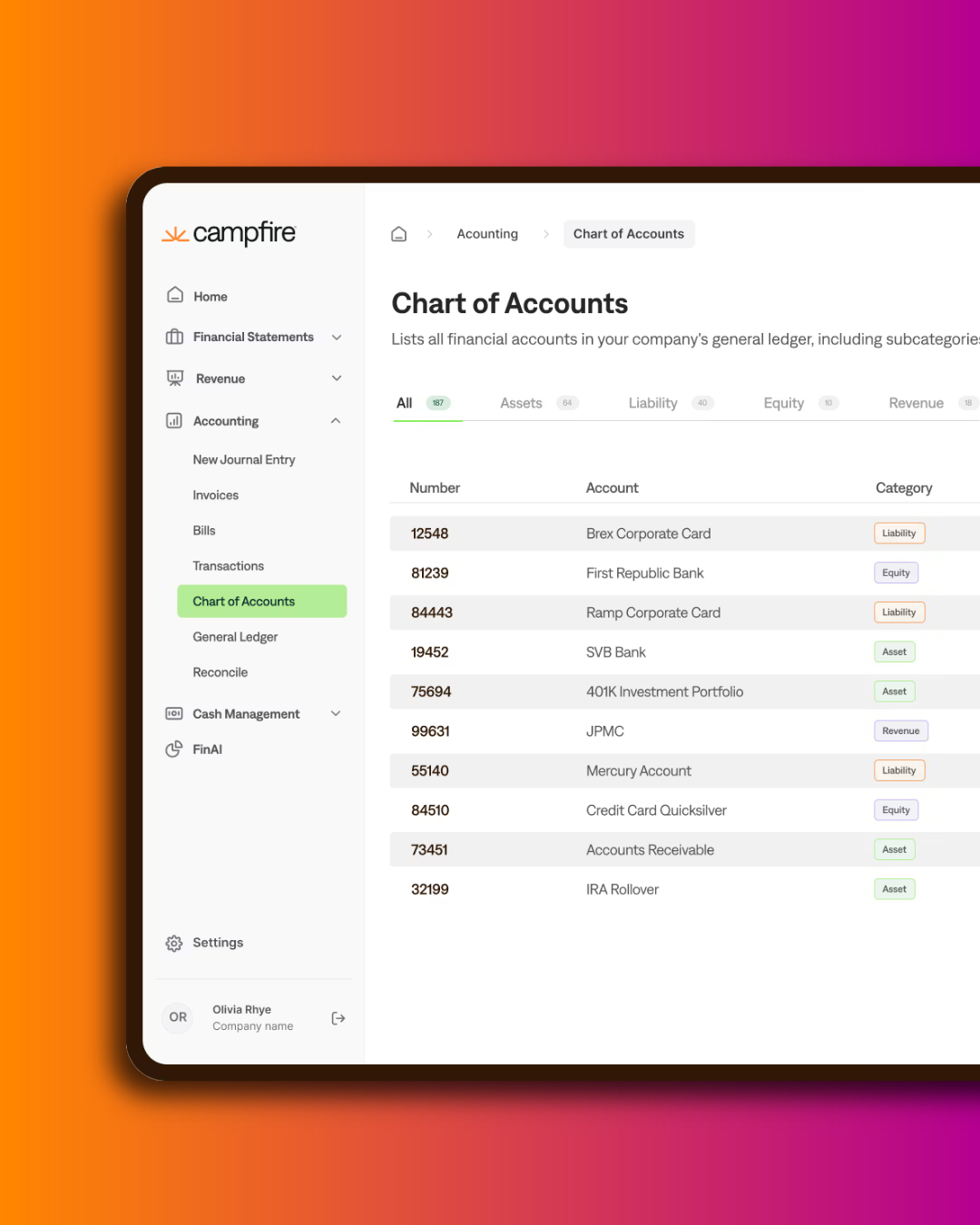
We rebuild close processes as part of Campfire implementations, and the checklist above is roughly what we configure towards — with task management and progress tracking in the platform rather than in a spreadsheet.
Get in touch if your close is the constraint.