
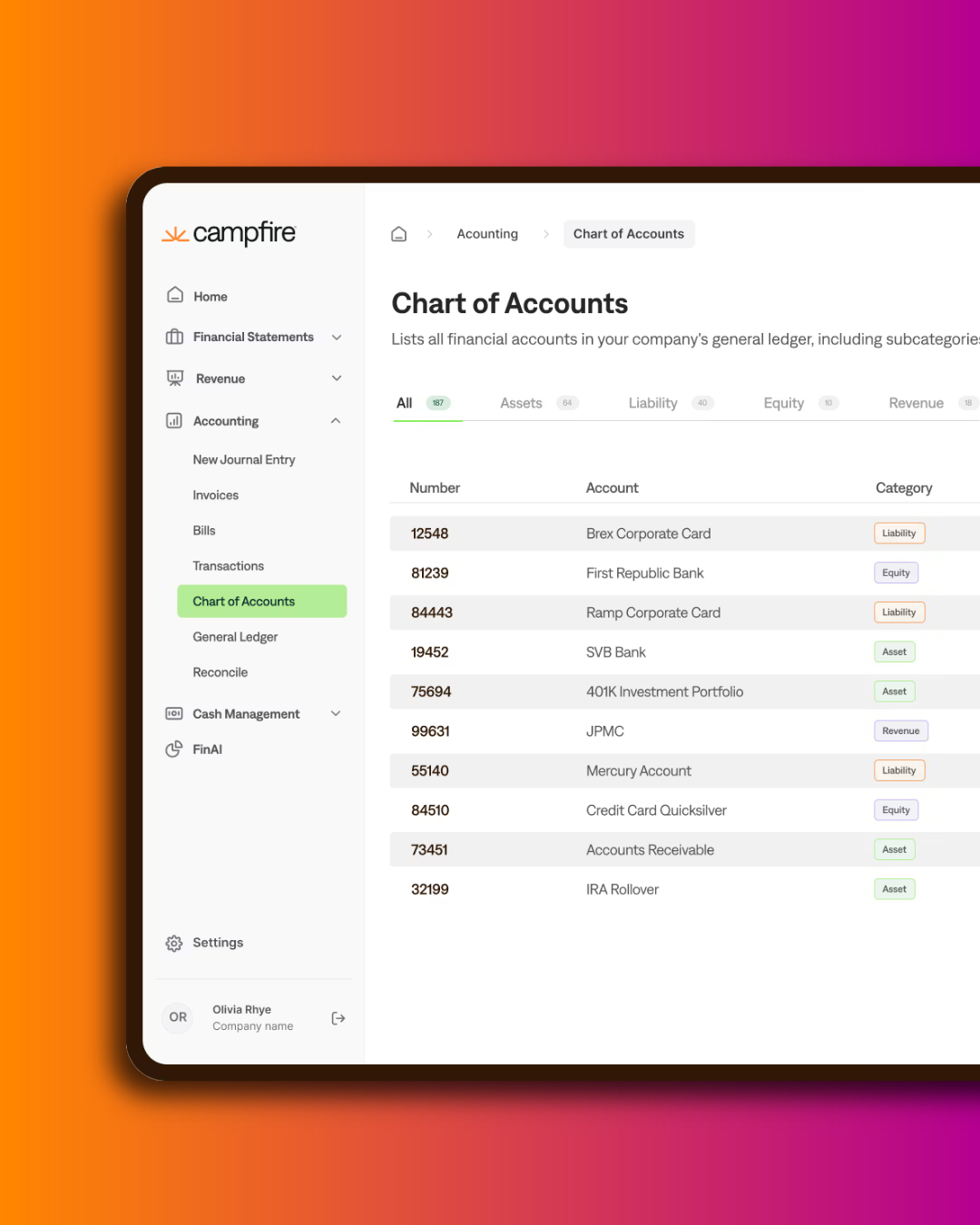
Campfire manages revenue recognition for contracts where revenue depends on actual customer usage. It ingests usage data and applies contract-specific rules to calculate how much revenue is earned in each reporting period. The system accounts for tiered pricing, overage charges, and minimum commitments, ensuring recognised revenue reflects the underlying commercial terms. Estimates are updated as real usage data becomes available, with controls in place to prevent premature recognition. This gives finance teams a consistent and reliable way to manage variable revenue without manual calculations.
Campfire supports a wide range of pricing structures, including volume tiers, graduated pricing, and minimum commitments. It automatically applies the correct pricing level based on cumulative usage within each billing cycle, ensuring revenue reflects actual consumption patterns. When contracts include minimum commitments, the system tracks usage against agreed thresholds and recognises any shortfall at the end of the period. This ensures committed revenue is recorded even when usage is lower than expected, supporting accurate financial reporting.
Campfire connects directly to usage data sources, capturing consumption metrics in real time or at scheduled intervals. It applies variable consideration rules in line with ASC 606 and IFRS 15, ensuring revenue is only recognised where reversal risk is low. As actual data replaces estimates, recognised revenue is adjusted automatically, along with remaining performance obligations. This provides finance teams with up-to-date, auditable revenue figures throughout each reporting period.
Why Campfire Stands Out
